Meditation Mats for Mindful Practices: Find Your Comfort

In our fast-paced world, finding a moment of peace can feel like a challenge. Meditation offers a way to slow down, breathe, and reconnect with ourselves. However, the right environment can make all the difference. One essential element of a calming meditation space is a good meditation mat. This blog post will explore the importance of meditation mats, how to choose the right one, and some popular options available today.
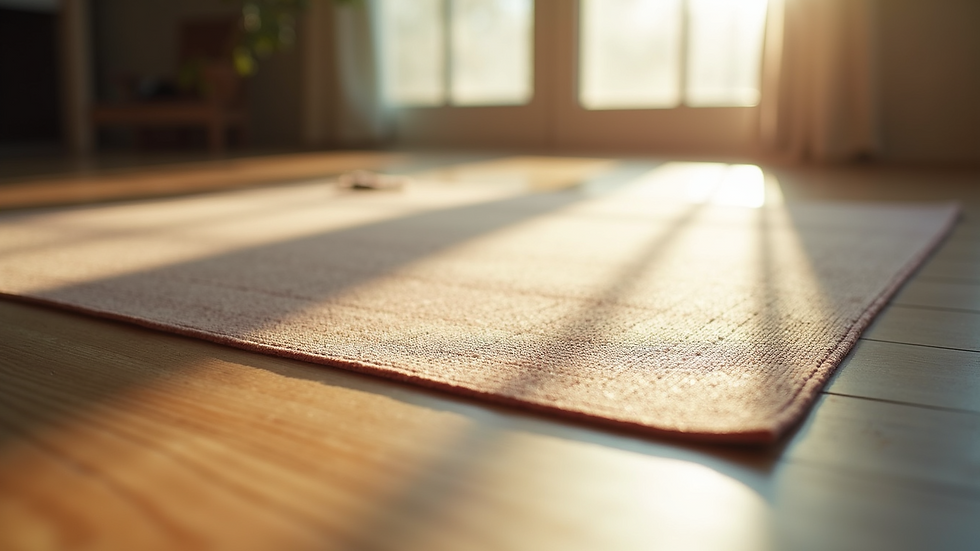
Meditation mats are more than just a comfortable surface to sit on. They can enhance your practice, provide support, and help you feel grounded. Whether you are a beginner or a seasoned practitioner, having the right mat can elevate your experience.
Why Use a Meditation Mat?
Using a meditation mat can significantly improve your practice. Here are some reasons why:
Comfort: A good mat provides cushioning for your body, especially if you are sitting for long periods. This comfort allows you to focus on your breath and thoughts rather than discomfort.
Stability: A mat can offer a stable surface, preventing slips and helping you maintain your posture. This stability is crucial for deepening your practice.
Hygiene: Mats can create a clean space for your practice, especially if you are in a shared environment. They can be easily cleaned and maintained.
Personal Space: A mat can define your personal space, creating a boundary that helps you focus. This separation can be beneficial in busy environments.
Types of Meditation Mats
When choosing a meditation mat, it is essential to consider the different types available. Here are some popular options:
1. Traditional Zafu and Zabuton
The zafu is a round cushion that supports your hips and lower back. The zabuton is a flat mat that provides cushioning for your knees and feet. Together, they create a comfortable seating arrangement for meditation.
Pros: Excellent support, traditional design, and great for various meditation styles.
Cons: Can be bulky and may require extra storage space.
2. Yoga Mats
Many people use yoga mats for meditation. They are versatile and can be used for various practices, including yoga and stretching.
Pros: Lightweight, portable, and easy to clean.
Cons: May not provide enough cushioning for long meditation sessions.
3. Foldable Meditation Mats
These mats are designed for easy storage and transport. They often have extra padding and can be used for various activities.
Pros: Convenient for travel, versatile, and often machine washable.
Cons: May not be as durable as traditional mats.
4. Eco-Friendly Mats
For those who are environmentally conscious, eco-friendly mats made from natural materials are available. These mats are often biodegradable and free from harmful chemicals.
Pros: Sustainable, safe for the environment, and often made from organic materials.
Cons: May be more expensive than standard mats.
How to Choose the Right Meditation Mat
Selecting the right meditation mat can feel overwhelming with so many options available. Here are some tips to help you make the best choice:
Consider Your Practice Style
Think about how you meditate. Do you sit cross-legged, or do you prefer lying down? Your practice style will influence the type of mat you need.
Think About Comfort
Comfort is key. Look for mats with adequate cushioning and support. If possible, try out different mats to see which one feels best for you.
Check the Material
The material of the mat can affect your experience. Natural materials like cotton or jute are breathable and comfortable. Synthetic materials may be easier to clean but can sometimes feel less comfortable.
Size Matters
Consider the size of the mat. If you have limited space, a smaller mat may be ideal. However, if you prefer more room to move, opt for a larger mat.
Portability
If you plan to take your mat to different locations, look for lightweight and foldable options. This portability can make it easier to maintain your practice wherever you go.
Popular Meditation Mats to Consider
Here are some popular meditation mats that have received positive reviews from users:
1. Manduka PRO Yoga Mat
This mat is known for its durability and comfort. It is made from high-density PVC and provides excellent cushioning.
Price: Approximately $120
Best For: Those looking for a long-lasting mat that can be used for both yoga and meditation.
2. Gaiam Zafu Meditation Cushion
This traditional zafu cushion is filled with buckwheat hulls, providing excellent support. It is lightweight and easy to transport.
Price: Approximately $40
Best For: Beginners and those who prefer a traditional meditation setup.
3. Jade Yoga Harmony Mat
Made from natural rubber, this mat is eco-friendly and provides excellent grip. It is also very comfortable for long meditation sessions.
Price: Approximately $80
Best For: Eco-conscious individuals who want a high-quality mat.
4. Hugger Mugger Zafu Meditation Cushion
This cushion is designed for comfort and support. It is filled with kapok, a natural fiber, and has a removable cover for easy cleaning.
Price: Approximately $60
Best For: Those looking for a comfortable and stylish cushion.
Creating Your Meditation Space
Once you have chosen your meditation mat, it is time to create your meditation space. Here are some tips to help you set up a calming environment:
Choose a Quiet Location
Find a quiet spot in your home where you can meditate without distractions. This could be a corner of your living room, a spare room, or even outside in nature.
Add Soft Lighting
Soft lighting can create a calming atmosphere. Consider using candles, fairy lights, or a soft lamp to enhance your space.
Incorporate Nature
Bringing elements of nature into your space can help you feel more grounded. Consider adding plants, stones, or natural materials to your setup.
Use Aromatherapy
Essential oils can enhance your meditation experience. Consider using a diffuser with calming scents like lavender or sandalwood.
Personal Touches
Add personal items that inspire you, such as photos, crystals, or meaningful quotes. These touches can make your space feel more inviting.
Tips for a Successful Meditation Practice
Having the right mat and space is essential, but there are other factors to consider for a successful meditation practice. Here are some tips to help you get started:
Start Small
If you are new to meditation, start with just a few minutes each day. Gradually increase the time as you become more comfortable.
Find a Routine
Establishing a routine can help you stay consistent. Choose a specific time each day to meditate, whether it is in the morning, during lunch, or before bed.
Focus on Your Breath
During meditation, focus on your breath. Inhale deeply and exhale slowly. This focus can help calm your mind and bring you into the present moment.
Be Patient
Meditation is a practice, and it takes time to develop. Be patient with yourself and allow your practice to evolve naturally.
Explore Different Techniques
There are many meditation techniques to explore, such as mindfulness, loving-kindness, or guided meditation. Experiment with different styles to find what resonates with you.
Embracing Your Meditation Journey
Finding the right meditation mat is just the beginning of your journey. As you explore different practices and techniques, remember that the most important aspect is to be present.
Meditation is a personal experience, and what works for one person may not work for another. Trust your instincts and allow your practice to grow with you.
As you continue on this path, you may find that your meditation mat becomes a cherished part of your routine. It can serve as a reminder to take a moment for yourself, to breathe, and to connect with your inner self.
In the end, the journey of meditation is about finding peace and comfort within yourself. With the right tools and mindset, you can create a practice that nourishes your soul and enhances your well-being.


Comments